I’d never seen a need to join a BSAC club. I was always able to do the amount of diving I wanted. I travelled a lot, ticking off destinations, with the odd weekend in UK: Swanage or inland sites for some photography. The occasional press trip with a diving magazine certainly helped keep the tempo up. It allowed me to get a good number of dives in every year, but with the pandemic (and then children) the amount of travel and therefore diving I could do dwindled.
So just over a year ago and with 22 years of diving under my belt I walked into my local BSAC club to join. Having been involved in the strange world of diving for a number of years I had many preconceptions about the BSAC, its members and club diving. Think men drinking real ale that are better at talking about diving than actually doing it. The old guard.
To the uninitiated the BSAC or British Sub-Aqua Club is the national governing body of recreational diving in the UK. It provides diver training through a collection of local clubs where volunteer instructors deliver the training. The clubs act as social hubs for dive trips to be planned and organised (and yes, talked about). In many ways it forms the backbone of the active UK diving scene.
So as a long-time diver I was intrigued to venture into the world of the BSAC and club diving.
The Diving
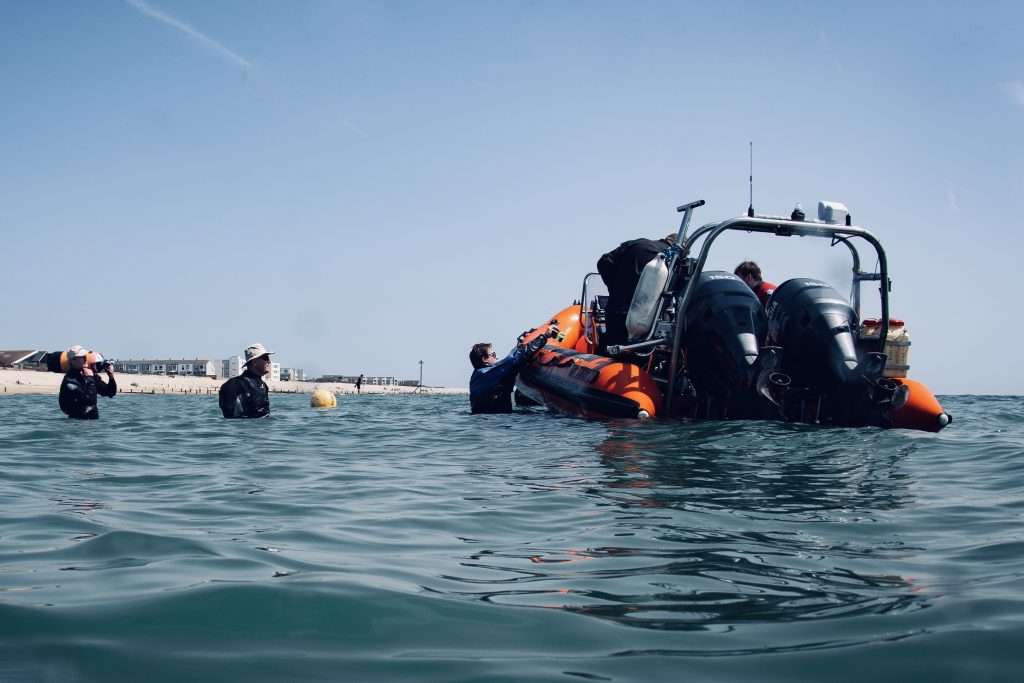
The crucial question really, how was the club to dive with? In short, good. The club was in the process of building its diving rhythm back after the hiatus of COVID as I joined. Through the year there was a varied selection of trips across the UK both with the club RIBs and on hard boats. Plymouth, Porthkerris, North Cornwall, St Abbs there were some good diving locations that appeal to a wide range of interests.
The thing that struck me most was the competency of the new qualified divers trained by the club. I had the opportunity to dive with a couple of recently certified Ocean Divers and they demonstrated some admirable in-water skills for those with so few dives. So the instructors, in my club at least, get the thumbs up.
The club also walked the narrow path of keeping the diving safe but not overly serious. It’s a fine balancing act, the diving needs to be fun and relaxed but also respect the level of risk that diving in the UK can bring.
Spread Thin
One thing that is clear and I’m sure is true of other clubs – they rely heavily on a few members. The knowledge of how ‘things are done’ is condensed into a handful of active senior members of the club. It’s the non-diving knowledge – maintaining the boat, where things are kept or contacts for servicing the compressor.
It’s the small stuff that adds up to a functional club. I understand the club I joined is relatively large but there’s so much institutional knowledge that if lost would jeopardise the long-term sustainability of any club.
The PADI Question
I’ve never been particularly interested in debating the relative strengths of different diver training agencies. Each have their merits and there are terrible divers in all of them. On joining the club, it was a fairly surreal experience to have two senior members debate the value of my certification in front of me (I’m a PADI Divemaster among a bunch of other qualifications). I think they settled on it was nearly equivalent to BSAC’s Dive Leader but I probably wouldn’t know anything about tides or boats. I decided not to mention my previous career as a Naval Officer… So the long-held belief in the primacy of BSAC training is still alive and well.
Managed Decline
Many members I’ve spoken too are acutely aware of the long-term declining membership of the BSAC as a whole. There seems to be a collective memory of the ‘glory’ years. A mythical time when the BSAC boasted a membership of over 50,000 and every club had a boat (these were largely funded by National Lottery grants at the time). On the club’s trip to St Abbs, historically a very popular UK dive destination, there was only a single other club boat present on a Bank Holiday weekend.
To me it doesn’t matter – a smaller and more active BSAC can still thrive. However, to the older members it’s a clear concern and by reading the application to the club’s council many others. In my eyes any decline has been replicated across the wider diving industry – probably more divers overall but less likely to have it as a primary hobby and pursue it in the UK.
Final Thoughts
I realise I’m probably not representative of the average person walking into a BSAC club looking to go diving. This wasn’t my first step into the world of scuba diving. I can’t comment of how successful it is as an experience of drawing (and keeping) new divers in or the approach taken by instructors (it seemed to work for those that completed their training).
You still get the usual collection of folks more interested in being a member of a club rather than the diving itself. However, if you’re looking to connect with other divers and get more diving done in the UK the BSAC is a pretty good option.